Google Ads Management Nashville
I spend most of my days thinking about Google Ads and the quality of leads advertising actually produces.
That probably sounds boring to most people.
For me, it’s oddly satisfying.
What was boring was working on things that went nowhere. Busywork. Activity without impact. That’s what pushed me toward digital marketing in the first place realizing that Google Ads, when set up and managed properly, can directly affect revenue. No theories. No maybes. Just outcomes you can measure.
Fully committing to Google Ads management wasn’t some long-term master plan. It came from seeing what actually works in the real world. Test something. Break it. Fix it. Repeat. Take responsibility for results instead of hiding behind excuses.

Today, I work independently. I manage Google Ads myself: strategy, setup, tracking, optimization, and reporting. There are no agency layers, no hand-offs, and no “someone on my team will take a look.” If something performs well or doesn’t, that responsibility sits with me.
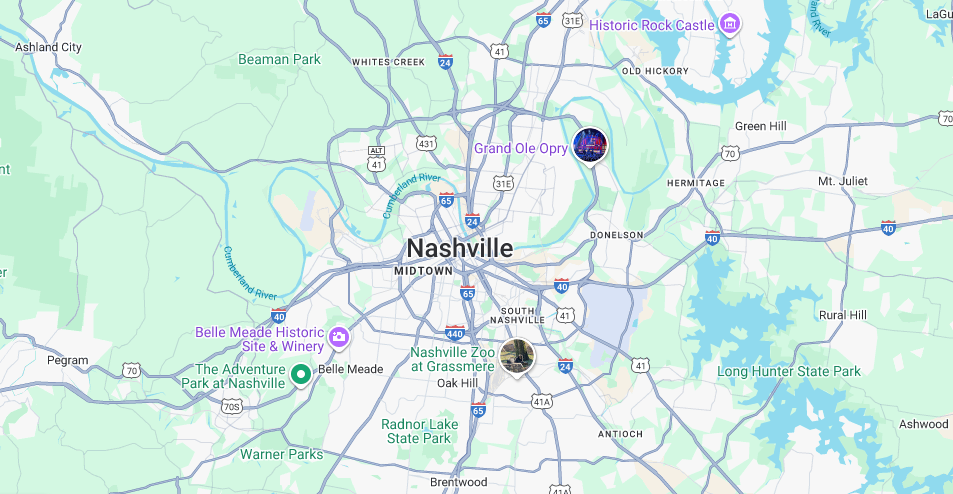
I’ve run advertising in competitive markets like Nashville, where clicks aren’t cheap and mistakes get expensive fast. Those environments don’t reward guesswork or bloated digital marketing strategies. They reward focus, restraint, and having a clear reason for every campaign, keyword, and dollar spent.
Whether I’m working with a local service business, a solo operator, or a company that depends heavily on inbound leads, the goal stays the same: Google Ads that generate real demand, not just nice-looking reports.
This approach has led to a few practical outcomes over time:
-
Testing and validating dozens of lead-generation niches
-
Helping service businesses grow without burning through ad spend
-
Improving landing pages based on real conversion behavior
-
Running advertising that holds up in competitive markets like Nashville
If you need leads for your local service business and want Google Ads management without agency theater, we can talk.
No hype.
No miracle promises.
Just honest digital marketing and clean execution.


What my clients are saying
Why Google Ads Isn’t “Broken” – It’s Just Working Against You
If Google Ads feels more expensive, less predictable, and harder to control than it used to be, you’re not imagining it.
Over the last few years, Google has quietly changed how the platform behaves. More automation. Broader keyword interpretation. Less transparency. These changes are designed to work at scale. They favor enterprise advertisers and national brands, not local or mid-sized businesses trying to stay profitable in competitive markets like Nashville.
Inside many Google Ads accounts, I see the same pattern repeat:
costs climb, traffic quality drops, and leads look acceptable on paper but don’t turn into real customers. Ads start triggering for searches that are loosely related but lack real buying intent. Spend goes up, performance stalls, and business owners lose clarity on where their budget is actually going.
That doesn’t mean Google Ads stopped working.
It means the platform now punishes loose setups and rewards precision.
The old approach, launch campaigns, trust automation, and hope things improve, doesn’t work anymore, especially in competitive cities like Nashville. Profitable Google Ads today require structure, clean data, tighter filtering, and very intentional use of automation.
What Actually Works Today
I’ve spent years adapting to these changes, testing what still produces results, and rebuilding Google Ads campaigns for businesses in Nashville and other high-competition markets. The focus stays consistent:
-
Eliminate low-intent traffic
-
Tighten keyword and search term control
-
Improve lead quality without killing volume
-
Use automation only where it earns its place
The goal isn’t to fight Google.
It’s to make Google Ads work for your business again, not just work for Google.
Who I Work With (and Who I Don’t)
I primarily work with lead-generation businesses and a small number of eCommerce brands, many of them based in or targeting Nashville. These are businesses operating in environments where every advertising dollar matters.
I also intentionally limit how many Google Ads accounts I manage at once. If paid advertising isn’t the right move for your business, or if expectations don’t align, I’ll tell you upfront.
Before starting anything, we’ll schedule a complimentary Zoom call to review your Nashville market, budget, and goals, and decide whether moving forward actually makes sense.
Rebuilding Google Ads for Real Results
More leads or more sales without wasting more money.
Most Google Ads accounts don’t need bigger budgets.
They need tighter control.
I rebuild campaigns to get more out of the budget you’re already spending by cutting waste, sharpening intent, and restructuring accounts around how Google Ads actually works today. Whether the goal is more qualified leads or increased online sales, the approach is practical, data-driven, and focused on ROI.
Why Performance Dropped for So Many Businesses
More automation. Broader targeting. Less control.
As Google pushed heavier automation and looser match behavior, many Nashville businesses saw performance slide. Large advertisers can absorb that. Small and mid-sized businesses usually can’t.
I’ve spent years testing these systems, undoing what doesn’t work, and rebuilding Google Ads campaigns for today’s environment. The objective is simple: reduce wasted spend, sharpen intent, and regain control, even on a more automated platform.
Filtering Out Bad Traffic with Smarter Keyword Control
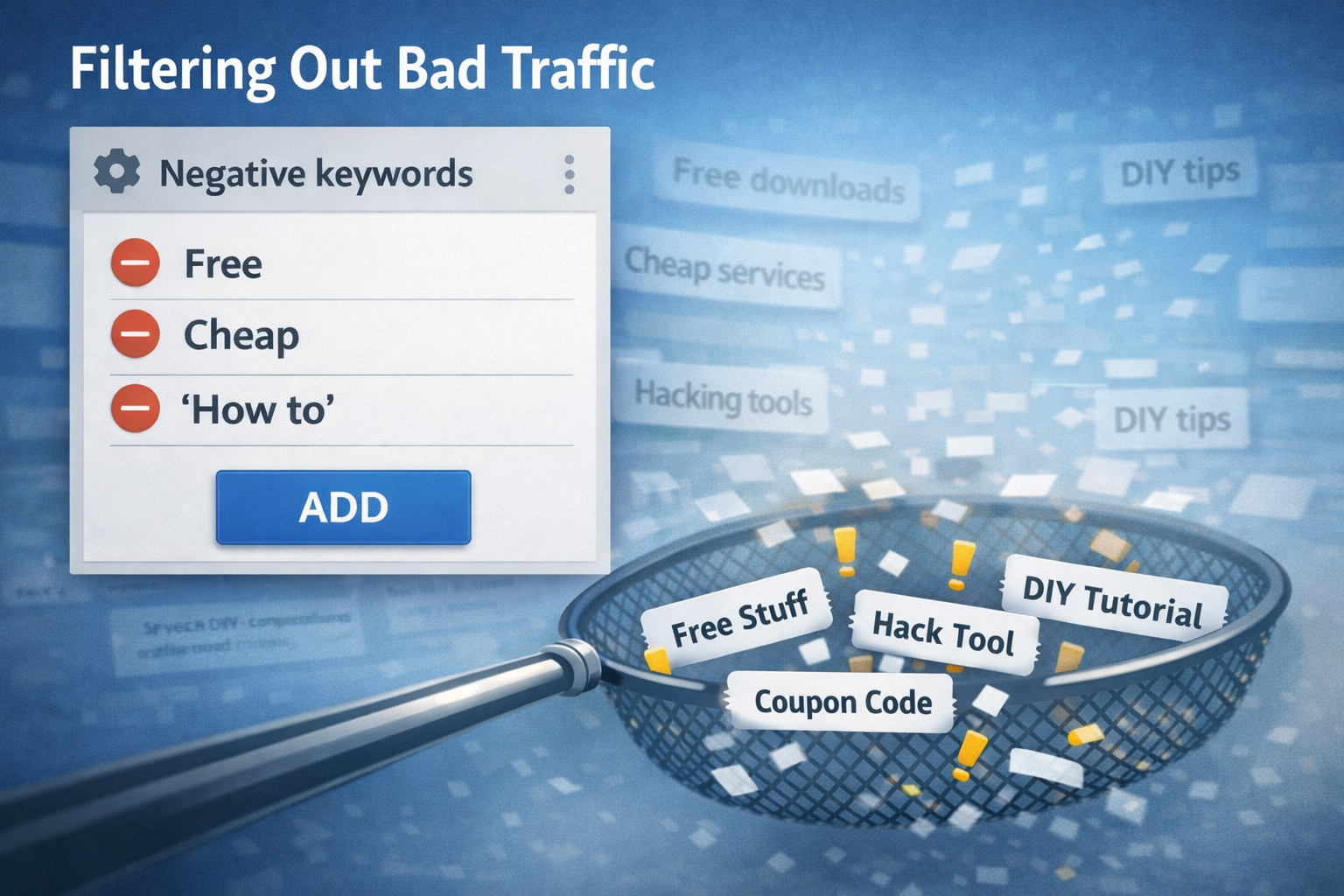
As Google loosened control over keyword matching, many Google Ads accounts quietly started bleeding budget. Ads began triggering for searches that sound relevant but have little to no buying intent behind them.
Instead of reacting after the money is already spent, I build keyword and negative keyword systems designed to protect spend early, while still allowing campaigns to scale in competitive Nashville markets. Most accounts fail here because they go too far in one direction, blocking too aggressively and killing volume, or staying too loose and letting waste pile up. The balance matters, and it has to be managed continuously.
Finding Problems Google Doesn’t Show You
Google Ads only tells part of the story. Relying on it alone is one of the main reasons performance drops for many Nashville businesses.
For call-driven companies, I track calls at a granular level so we know exactly which Nashville campaigns and keywords produce real conversations, and which ones generate spam, wrong numbers, or low-quality inquiries. Listening to call recordings removes guesswork and keeps budgets focused on real opportunities.
For form submissions and on-site actions, I use advanced tracking setups that measure meaningful behavior, not surface-level events. This gives Google cleaner signals and prevents optimization toward actions that look good in reports but don’t turn into revenue.
When possible, I also connect post-lead systems so we can see what happens after someone contacts your business. That’s how Google Ads campaigns get optimized around outcomes, not assumptions.
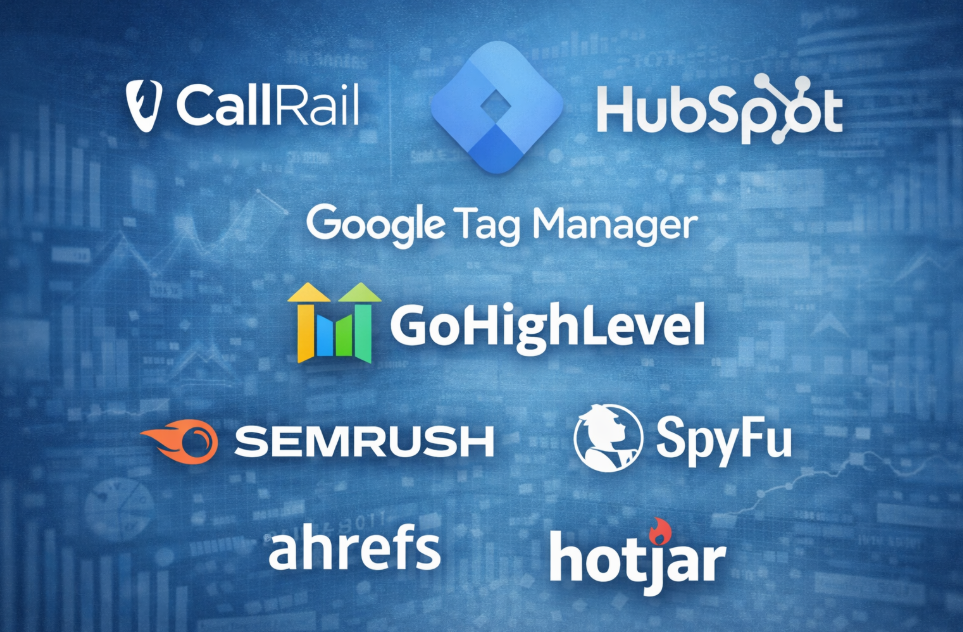
To stay competitive in the Nashville market, I monitor competitor behavior — bid shifts, messaging changes, and keyword focus and analyze how real users interact with your site: where they hesitate, where they get confused, and where conversions fall apart.
All of these layers expose wasted spend, missed opportunities, and blind spots you won’t see inside Google Ads alone.
Built for Conversions, Not Aesthetics
Every Google Ads campaign I run follows a clear, repeatable framework, whether it’s Search, Performance Max, Display, YouTube, or Shopping.
Ads are written to drive action, not to sound clever or win design awards.
Structure, targeting, and messaging are aligned with how people actually buy in competitive markets like Nashville. Looks don’t pay the bills. Conversions do.
Conversion Tracking Comes First
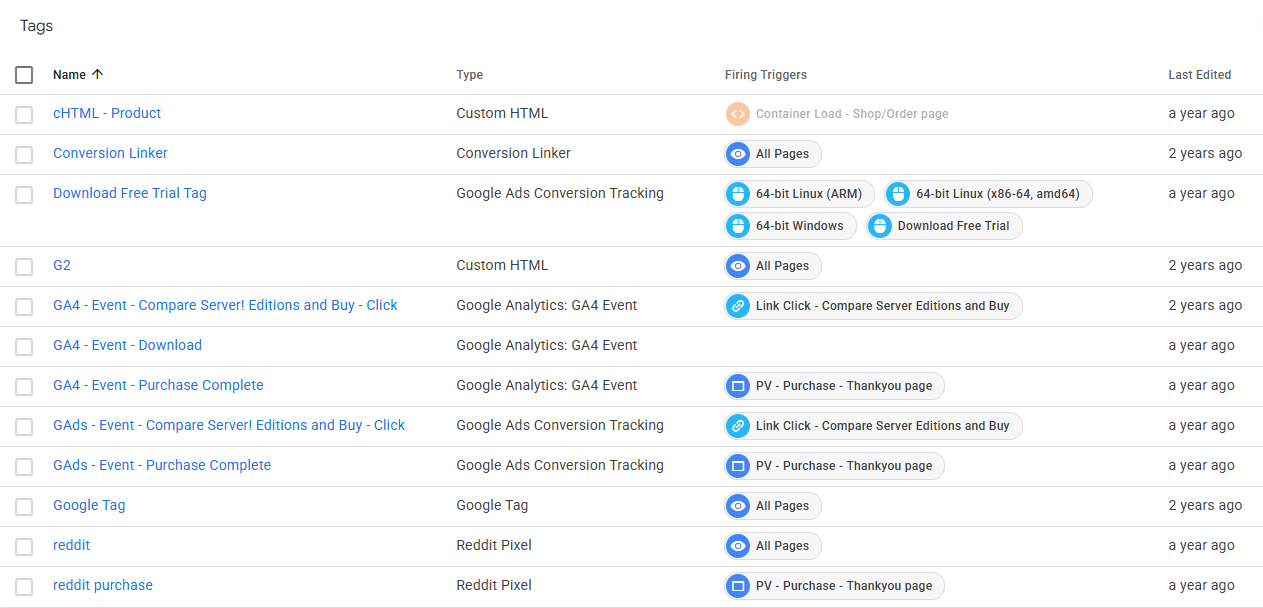
Before launching or scaling anything, I audit the entire tracking setup: Google Ads, GA4, Google Tag Manager, call tracking, and reporting dashboards.
Without clean conversion data, automated bidding doesn’t work.
Fixing tracking isn’t optional. It’s the foundation everything else depends on.
Reporting That Focuses on Business Outcomes
Reporting stays simple and business-focused: cost per lead, lead quality, return on ad spend, and overall profitability.
You’ll always know where your budget is going and what it’s producing.
No padded dashboards.
No fluff.
When Google Ads Stops Delivering
If your Google Ads account used to perform better than it does now, the platform itself usually isn’t the problem.
Most of the time, it’s outdated structure, bad data, or automation running without guardrails.
Google Ads should generate real business, not just traffic. When it stops doing that, it’s a sign the account needs a different approach,not more spend.
Adapting to the New Google Ads Reality
The platform has changed, and strategy has to change with it.
I’ve built systems designed for today’s Google Ads environment that reduce waste, tighten intent, and restore control for Nashville businesses.
The goal is simple: make paid search pull its weight again.
Common Questions
What types of campaigns do you usually run?
I start with Search campaigns because that’s where real intent lives. These are people actively searching for services in Nashville, not just browsing. Other campaign types are layered in only when the data supports it.
Do you personally manage the Google Ads account?
Yes. I handle strategy, setup, tracking, optimization, and reporting myself. Nothing is outsourced and nothing is put on autopilot.
What do you consider a conversion?
A conversion is an action with real business value: a qualified form submission, a real phone call, or a booked appointment or sale.
How do you track calls and lead quality?
For call-heavy Nashville businesses, I track call source, duration, and quality so real inquiries are separated from wasted spend.
Do you track what happens after a lead comes in?
When possible, yes. Post-lead tracking allows campaigns to be optimized for leads that actually turn into customers.
How long does it take to see results?
Google Ads isn’t instant. Most meaningful improvements happen over the first few months as data is collected, filtered, and refined.
Do you work with all types of businesses?
No. I keep a limited client roster so I can stay hands-on. If paid ads aren’t the right fit, I’ll be upfront about it.
How do you report results?
Reporting is clear and outcome-focused. You’ll know what’s working, what isn’t, and why changes are being made.
What’s the first step?
We start with a complimentary Zoom call to see if there’s a good fit for your Nashville business — strategically and financially.