Google Ads Manager – Fort Lauderdale
Want a more profitable Google Ads account?
I help businesses in Fort Lauderdale and beyond with hands-on Google Ads management focused on real revenue, not just clicks.
I’ve worked exclusively with Google Ads since 2011 and have managed campaigns for 200+ businesses across the U.S.
My goal is simple: better data, tighter control, and ads that bring in real customers.
Many clients stay with me long term or come back after trying agencies or in-house teams that couldn’t deliver consistent results.
I personally manage every Google Ads account. Nothing is outsourced, and nothing is put on autopilot and forgotten.




Some Google Ads Results
Google Ads optimization helped a Fort Lauderdale roofing contractor cut cost per lead to $106.36, saving over $460 per lead in wasted ad spend.
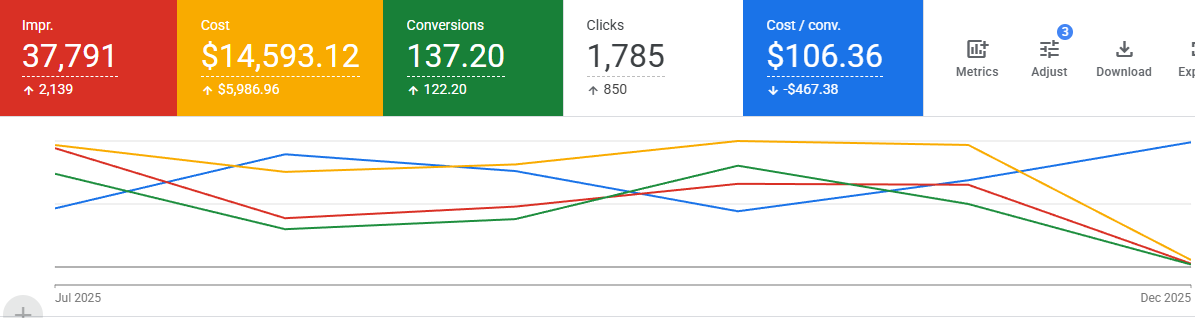
After I took over Google Ads management, a cleaning company in Fort Lauderdale lowered cost per lead to $32.62, cutting it by nearly $50 per lead while scaling overall lead volume.

What my clients are saying
Why Google Ads Feels More Expensive (and Less Effective) Than It Used to
If you’ve been running Google Ads for a while, you’ve probably noticed it’s gotten more expensive and harder to control. A lot has changed in the last few years, and not all of it favors advertisers. Google keeps pushing more automation, broader targeting, and less transparency. That might work for massive brands with huge budgets, but for most small and mid-sized businesses, it usually creates problems.
What I see most often with Fort Lauderdale Google advertising accounts is higher costs, less relevant traffic, and leads that just don’t convert. Ads start showing up for searches that sound related but have little real buying intent. Budgets burn faster, but results don’t improve. At the same time, business owners have less visibility into where their money is actually going.
That doesn’t mean Google Ads is broken. It just means the old “set it and forget it” approach doesn’t cut it anymore. Profitable campaigns today need tighter structure, smarter filtering, cleaner data, and very intentional use of automation.
I’ve spent years adjusting to these changes, testing what still works, and building systems that cut wasted spend, improve lead quality, and bring control back to your campaigns. The goal is simple: make Google Ads work for your business again — not just for Google.
Important Info for New Clients
I mainly work with lead gen businesses and a handful of eCommerce brands, especially in competitive markets where every dollar needs to count. I’m not trying to be the right fit for everyone, and that’s intentional.
To keep results strong, I only take on a limited number of clients at a time. If paid ads aren’t the right move for your business, or if expectations don’t line up, I’ll tell you that upfront.
Before we start anything, we’ll hop on a complimentary Zoom call to make sure it makes sense on both sides, strategy, budget, and goals included.
Rebuilding Google Ads for Real Results
More leads or sales – without wasting more money
I rebuild Google Ads accounts to get better results from the budget you’re already spending, whether that means more leads or more online sales. The approach is structured and data-driven, with a heavy focus on cutting waste and bringing in higher-quality leads.
Why Google Ads Performance Dropped for So Many Businesses
More automation, broader targeting, less control
Over the past few years, a lot of businesses have seen their Google Ads performance slide as the platform pushed more automation, looser match types, and broader targeting. That setup can work for massive advertisers with huge budgets, but for most small and mid-sized businesses, it usually means higher costs, less relevant traffic, and weaker leads.
I’ve spent years testing what still works, fixing what doesn’t, and restructuring campaigns to perform in this new environment. The goal is simple: reduce wasted spend, tighten up intent, and take back control, even with today’s more automated Google Ads setup.
Filtering Out Bad Traffic with Smarter Keyword Control
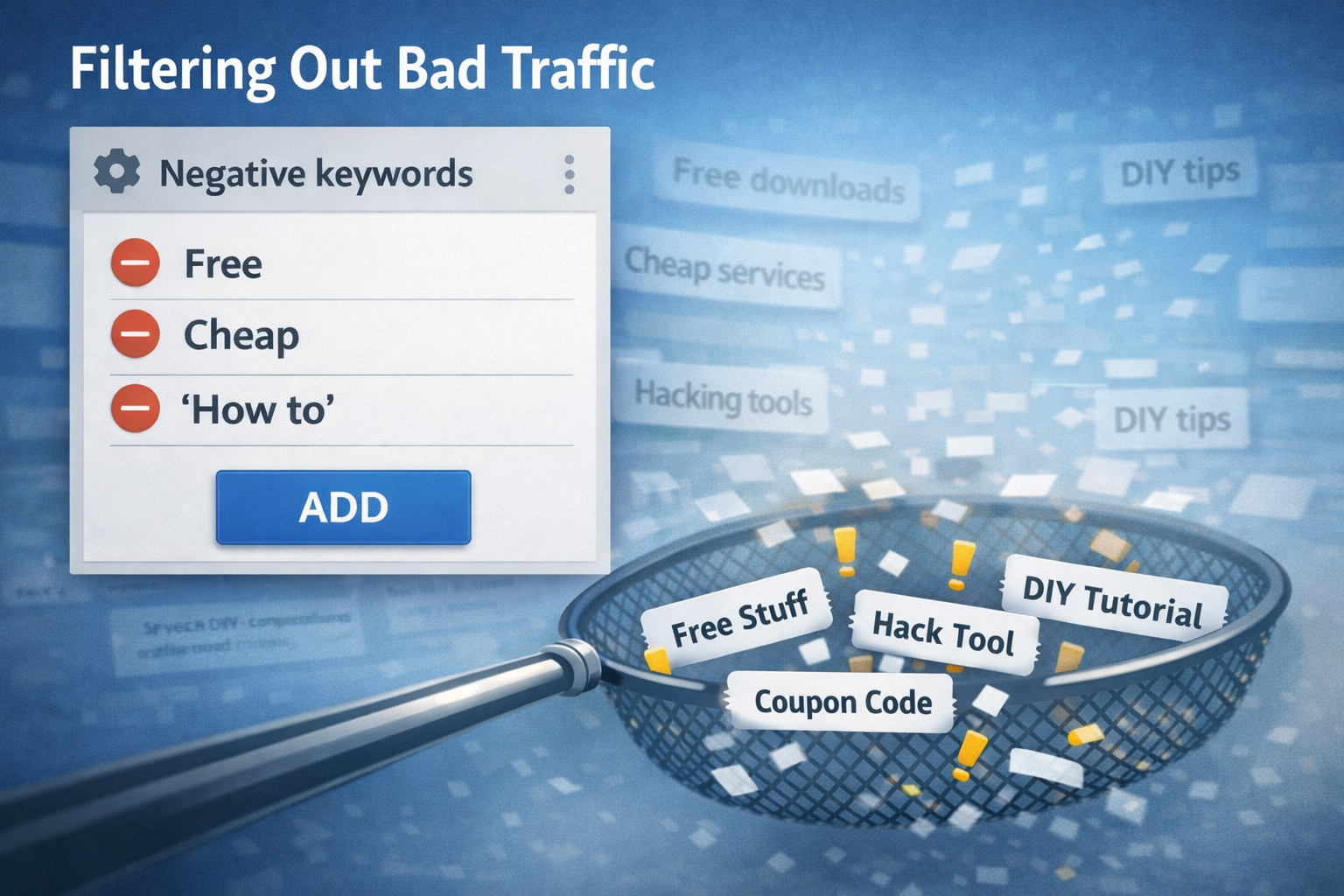
Stopping irrelevant searches without killing volume
As Google loosened control over search terms, many accounts started showing ads for low-intent or irrelevant searches. I use a proven negative keyword structure to block wasted spend while preserving scale, an area where many accounts struggle.
Advanced Monitoring & Ongoing Optimization
Catching problems Google Ads doesn’t show you
I use a set of advanced tools to keep a close eye on campaigns and improve them daily, because Google Ads by itself never tells the full story.
For businesses that rely on phone calls, I use CallRail to track exactly where calls come from, listen to recordings, and separate real leads from spam or junk calls. That way, your budget isn’t getting burned on calls that never turn into customers.
I also use Google Tag Manager for more advanced conversion tracking, so we’re measuring real actions, not just basic form fills. This gives Google cleaner data to work with and keeps the system from learning off bad signals.
To understand what happens after a lead comes in, I connect platforms like HubSpot and GoHighLevel, so we can see which leads actually turn into customers and which ones don’t.
These tools show which leads actually turn into sales or customers, allowing campaigns to focus on quality, not just volume.
I also use SEMrush, Ahrefs, and SpyFu to understand what competitors are doing behind the scenes, whether they’re changing bids, ads, or keyword focus.
Finally, tools like Hotjar help me see how people actually use your site through heatmaps, session recordings, and form drop-offs, so we can improve conversions without increasing ad spend.
Together, these tools uncover wasted spend, missed opportunities, and issues you simply won’t see inside Google Ads alone, and that’s how performance improves over time.
Structured Campaign Builds Across All Formats
Search, Performance Max, Display, YouTube, and Shopping
Every campaign type follows a clear, repeatable process. Ads and creatives are built with conversion in mind, not stock templates or generic messaging that looks good but doesn’t perform.
Clean, Accurate Conversion Tracking Comes First
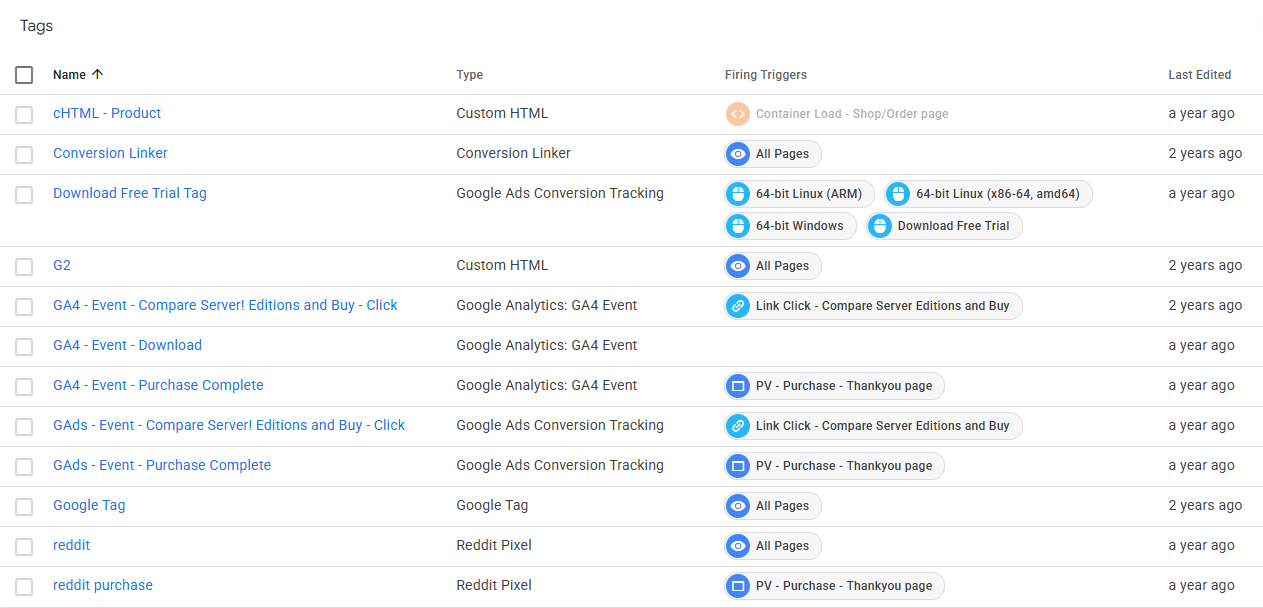
Because automation is only as good as the data
Before launching or scaling anything, I audit your entire tracking setup. This includes Google Ads, GA4, Google Tag Manager, call tracking, and reporting dashboards. Without accurate conversion data, automated bidding simply doesn’t work.
Reporting That Focuses on Business Outcomes
Not vanity metrics
You’ll get clear, easy-to-understand reports that focus on what actually matters, cost per lead, return on ad spend, and overall profitability. You’ll always know where your ad budget is going and what you’re getting back from it.
When Google Ads Isn’t Delivering Like It Used To
There are ways to fix it
Your Google Ads account should bring in real business, not just clicks and traffic. If performance has slipped or the budget feels like it’s being wasted, it’s usually a sign the account needs a different approach.
Adapting to the New Google Ads Reality
Making paid search work again
The platforms have changed, and I’ve changed with them. I’ve built systems that work around the new setup and put control back in your hands. Let’s see if paid search can start pulling its weight for your business again.
Common questions
What type of Google Ads campaigns do you usually run?
I usually start with Search campaigns, because that’s where real intent lives. These are people actively looking for your service, not just scrolling. Once we’re getting consistent conversions and clean data, I may layer in Performance Max or other campaign types if and only if they make sense for your business.
Do you manage the Google Ads account yourself?
Yes. I personally handle everything: strategy, setup, tracking, optimization, and reporting. Nothing is outsourced, and nothing is put on “set it and forget it” autopilot. When you work with me, you’re working directly with the person managing your account.
What do you consider a “conversion”?
A real conversion is something that has business value. That usually means a qualified form submission, a real phone call (not spam or misdials), or an actual sale or booked appointment. Clicks alone don’t matter. The focus is always on leads or sales that can turn into revenue.
How do you track calls and leads accurately?
For call-heavy businesses, I use CallRail to track call sources, call duration, and lead quality. This helps identify which campaigns and keywords bring real inquiries versus wasted spend. I also use Google Tag Manager to set up advanced conversion tracking so Google Ads is optimizing based on meaningful actions, not incomplete or inaccurate data.
Do you track what happens after a lead comes in?
Yes. When possible, I connect Google Ads with systems like HubSpot or GoHighLevel so we can see which leads actually turn into customers or sales. This allows campaigns to be optimized for lead quality, not just volume.
How long does it usually take to see results?
Google Ads is not instant. There’s a learning and optimization phase. In most cases, meaningful improvements happen over the first few months as data is collected, filtered, and refined. The goal is sustainable performance, not short-term spikes followed by wasted spend.
What budgets work best for Google Ads in competitive markets like Fort Lauderdale, FL?
Budgets depend on competition and goals, but in most competitive markets, very small budgets struggle. I’m upfront about this from the start. If the budget isn’t realistic for your market, I’ll tell you before we move forward.
Do you work with all types of businesses?
No. I work with a limited number of clients at a time so I can stay hands-on and focused. If paid ads aren’t the right channel for your business, or expectations don’t align, I’ll be honest about that upfront.
How do you report results?
Reporting is simple and business-focused. You’ll see cost per lead or return on ad spend, what’s working and what’s not, and where changes are being made and why. No fluff, no vanity metrics.
What’s the first step if I want to work with you?
We start with a complimentary Zoom call to see if there’s a good fit – strategically, financially, and expectations wise. No pressure, no hard sell.